
Exploring the psychology of casino gambling
The Allure of Risk and Reward
The psychology of casino gambling often hinges on the concept of risk versus reward. Gamblers are inherently attracted to the idea of winning big, but what drives this allure? One major factor is the thrill of risk-taking; the anticipation of a potential win can trigger a dopamine release, creating a feeling of pleasure. This biochemical reaction can lead to an addictive cycle, encouraging individuals to chase the high of winning, often overlooking the corresponding risks involved. For those looking for excitement, trying the best online pokies can be an enticing option, as the visceral excitement that accompanies the act of gambling can be so profound that it overshadows rational decision-making, leading individuals to gamble even when they are aware of the odds stacked against them.
The design of gambling environments plays a crucial role in amplifying this attraction. Casinos are meticulously crafted to evoke excitement, with bright lights, engaging sounds, and enticing aromas that create an immersive experience. By creating a stimulating atmosphere, they effectively heighten the senses, making patrons more likely to take risks. This deliberate manipulation of sensory input reinforces the gambler’s desire to play and can lead to impulsive decisions that prioritize immediate gratification over long-term consequences. Moreover, strategies like offering free drinks and complimentary services further blur the lines of responsible gambling, making it easier for individuals to lose track of their spending.
Understanding the psychology of risk and reward also sheds light on why individuals engage in gambling despite knowing the odds are against them. Many gamblers develop optimistic biases, believing they have a better chance of winning than the statistics suggest. This cognitive distortion is fueled by recent wins, which can create a false sense of security and encourage further gambling behavior. The intermittent reinforcement of wins can lead to a compulsive gambling habit, as the gambler constantly seeks that euphoric feeling associated with hitting the jackpot, even if it means risking significant losses.
Emotional and Social Influences
The emotional and social dimensions of gambling cannot be overlooked in understanding its psychological impact. For many, visiting a casino is not merely about gaming; it serves as an escape from everyday life. Engaging in gambling activities can temporarily alleviate stress and anxiety, providing a sense of relief. This emotional comfort often leads individuals to gamble more during challenging times, reinforcing a cycle wherein people seek solace in the very activity that may ultimately lead to more stress. The emotional high of winning can be intoxicating, overshadowing the potential for adverse consequences that can emerge from excessive gambling.
Social interactions in casinos also contribute significantly to the overall experience of gambling. Many patrons enjoy the camaraderie that comes from playing with friends or meeting new people at gaming tables. The communal excitement can amplify individual motivations, as the competitive spirit fostered in group settings encourages players to take greater risks. This social aspect not only draws individuals in but also reinforces their gambling behavior, creating an environment where risks are perceived as more acceptable. The shared experiences can often lead to an “everyone is doing it” mentality, further normalizing gambling within social circles.
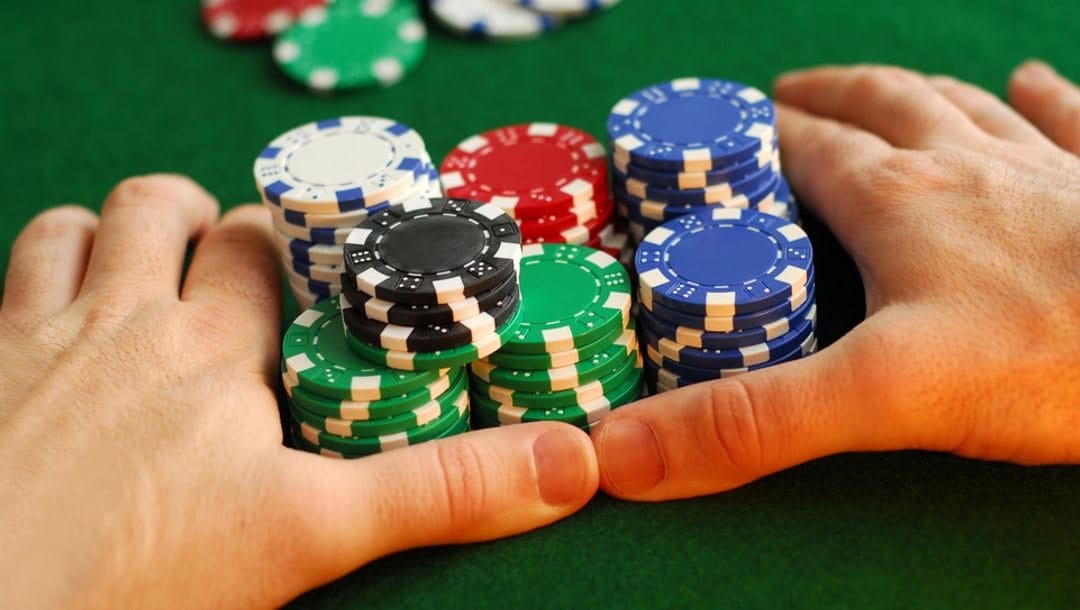
Additionally, the stigma surrounding gambling can influence behavior. Those who gamble may experience shame or guilt, particularly when losses accumulate or when gambling becomes problematic. This emotional turmoil can lead to a concealment of gambling activities, further entrenching the individual in their habits. Social support networks can play a vital role in addressing these feelings, yet many gamblers may initially resist reaching out for help due to perceived social judgments. The fear of being labeled can create a barrier to seeking assistance, making it crucial for communities to foster open dialogues about gambling and its potential impacts.
Cognitive Biases and Decision-Making
Cognitive biases significantly shape the decision-making processes of gamblers, often leading to irrational choices. One prominent bias is the illusion of control, where individuals believe they can influence outcomes in games of chance. This belief is particularly prevalent in games like blackjack or poker, where skill is involved, leading players to overestimate their abilities. Such biases can encourage continual engagement in gambling, as players feel empowered to affect results despite the inherent unpredictability. This can lead to a false sense of mastery, where gamblers believe that their strategies or decisions can change the outcome, even when statistical probabilities suggest otherwise.
Another critical cognitive distortion is the gambler’s fallacy, where individuals believe that past outcomes influence future results. For example, a player might assume that a slot machine is “due” for a payout after a series of losses. This misjudgment can result in a sustained investment of time and money, as the gambler clings to the hope of a turnaround. Understanding these cognitive pitfalls is essential for both gamblers and those looking to support them in making informed decisions. Recognizing the fallacy can help individuals step back and evaluate their gambling behavior more rationally, reducing the likelihood of continued losses.
Additionally, the framing effect plays a crucial role in how gambling choices are presented. The way information is communicated can alter perceptions and decisions significantly. For instance, a gambler might be influenced more by the likelihood of winning a specific amount rather than understanding the overall odds of the game. Properly framing options and outcomes in gambling-related discussions can lead to more informed choices, ultimately promoting responsible gambling practices. By shifting the focus from potential rewards to actual probabilities, individuals can make more grounded decisions about their gambling activities.
The Role of Environment and Marketing
Environment and marketing strategies are intricately woven into the psychology of casino gambling, significantly influencing gambler behavior. Casinos often utilize architectural designs and layouts that promote prolonged engagement and spending. Features such as lack of windows or clocks create a disorienting experience that encourages players to lose track of time, often leading to extended periods of play and increased expenditures. This manipulation of space is a calculated strategy by casinos to maximize profit while keeping patrons absorbed in the gambling experience. The physical environment is thus not just a backdrop but an active participant in the gambling behavior of patrons.
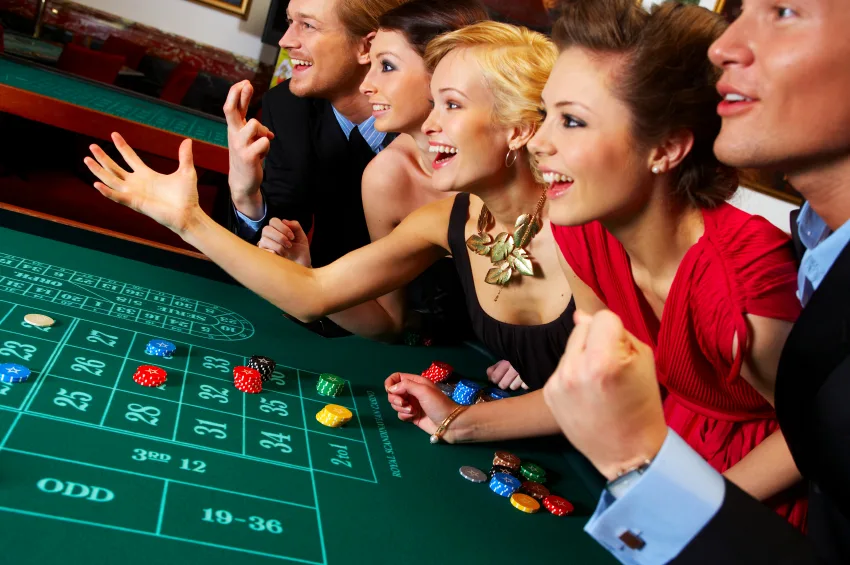
Marketing tactics further amplify the power of suggestion in drawing individuals into gambling. Promotions such as free drinks, complimentary meals, and loyalty rewards serve to entice patrons, often creating a perception of value that outweighs the risks of gambling. The constant bombardment of advertisements showcasing big wins and luxurious lifestyles can profoundly affect individuals’ perceptions of gambling as a viable escape or pathway to fortune. These marketing strategies can play on emotions, making gambling seem like an attractive and glamorous pastime rather than a risky endeavor.
Furthermore, the rise of online casinos has transformed the gambling landscape, creating new psychological dynamics. Digital platforms leverage technology to provide immersive experiences, often utilizing algorithms that keep users engaged for longer periods. The convenience of online gambling means that individuals can gamble from the comfort of their homes, which may lead to increased impulsivity and diminished awareness of risks. This shift has introduced new challenges in understanding and addressing the psychological factors at play in modern gambling practices. The ability to gamble at any time can blur the lines between casual play and compulsive gambling, making it even more crucial to understand the psychological implications.
Responsible Gambling and Resources
As the psychology of gambling underscores various complexities, promoting responsible gambling is essential. Organizations and initiatives dedicated to supporting responsible gambling often emphasize the importance of education and awareness. By informing individuals about cognitive biases and the true nature of gambling odds, they help mitigate risky behaviors. Awareness campaigns fall into a broader framework advocating for informed decision-making, encouraging players to recognize when their habits might become problematic. Education also plays a pivotal role in empowering individuals to set personal limits and adhere to them, fostering a healthier gambling approach.
Resources for those struggling with gambling behaviors are increasingly accessible, offering avenues for support and recovery. Counseling services, support groups, and online resources provide vital assistance for individuals seeking help. These programs often focus on cognitive-behavioral strategies, empowering individuals to develop healthier relationships with gambling and regain control over their behaviors. The emphasis on community support can also foster resilience, as individuals realize they are not alone in their struggles. Building a network of support can be invaluable in navigating the challenges of gambling addiction.
Moreover, the growing discourse surrounding gambling addiction emphasizes the importance of seeking help early. By acknowledging the psychological components of gambling and the potential risks involved, both individuals and society can take proactive steps toward fostering safer gambling environments. Ongoing research into the psychological underpinnings of gambling continues to inform best practices and interventions, ensuring that individuals receive the support they need in their journey toward responsible gambling. By staying informed and engaged, both gamblers and their communities can work towards creating a healthier gambling culture.


